
Basement Drywall Installation in Richmond, BC
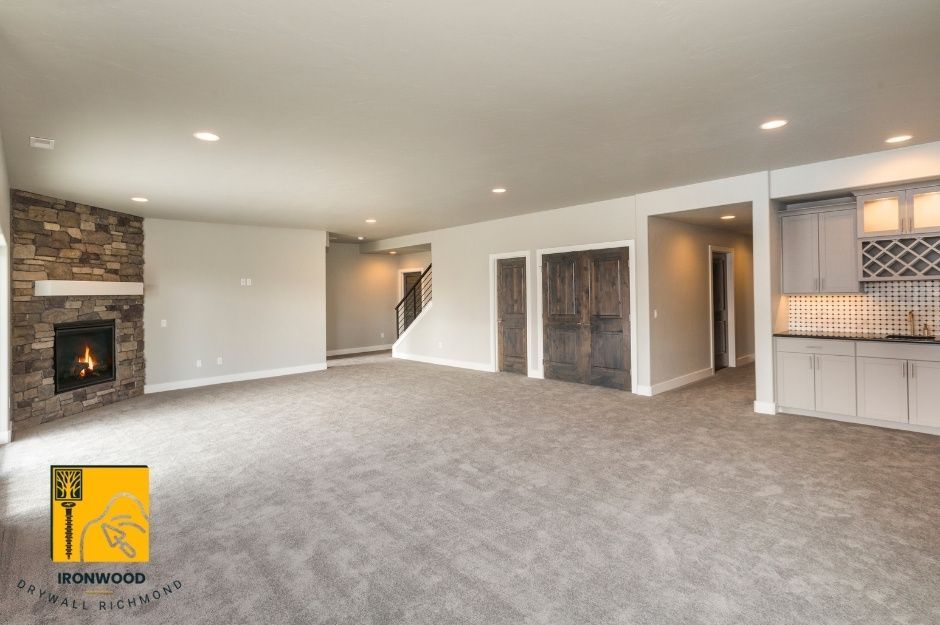
Ironwood Drywall Richmond delivers professional basement drywall installation for homeowners across Richmond, BC. Whether you're finishing a lower-level living area, building out a secondary suite, or updating an older basement, our team brings the precision and reliability needed for below-grade spaces where moisture and layout challenges demand expert handling.
Basements require more than standard interior drywall work, which is why we focus on proper material selection, clean framing alignment, and tight installation using the right tools—like a screw gun for secure fastening, a T-square for accurate cuts, and corner bead for crisp, durable edges. Our team understands Richmond’s climate and the moisture concerns that come with it, ensuring assemblies that resist mould, enhance comfort, and support sound control throughout the home.
If you’re ready to upgrade your basement with proven workmanship, call 778-400-1950 or fill out our online form to schedule your drywall basement installation today. We also provide helpful info in our parent guide on
Drywall Installation Services.
Request A FREE Quote
Ironwood Drywall Richmond (HP)
Drywall Basement Installation Services in Richmond, British Columbia
Professional basement drywall installation in Richmond involves specialized hanging techniques, precise framing methods, and moisture-resistant materials designed for below-grade environments. Each installation type requires specific approaches to ensure durability and performance in basement conditions.
Basement Drywall Hanging Techniques
Your basement requires specialized drywall hanging methods that differ from standard residential applications. The concrete walls and potential moisture exposure demand precise installation techniques.
Proper wall preparation involves cleaning concrete surfaces and addressing any moisture issues before installation. You should ensure adequate ventilation and check for water infiltration points.
The hanging process starts with measuring and cutting drywall sheets to fit your basement's unique dimensions. Furring strips or metal framing provide the foundation for secure attachment to concrete walls.
Key hanging considerations include:
- Maintaining proper spacing between sheets
- Using appropriate fasteners for concrete substrates
- Creating expansion joints for thermal movement
- Installing vapor barriers when required
Your contractor should leave gaps at floor level to prevent moisture wicking. Ceiling installations require additional support due to the weight of drywall panels and potential plumbing or ductwork obstacles.
Quality installation prevents future cracking and ensures a smooth surface for finishing work.
Finished Basement Drywall Installation
Finished basement installations transform raw basement spaces into livable areas through comprehensive drywall application. This process covers both walls and ceilings to create a complete interior environment.
Wall installation begins with framing that accommodates electrical outlets, switches, and any built-in features you plan to include. Your contractor installs insulation between studs before hanging drywall sheets.
Ceiling work presents unique challenges in basements. You need to work around existing utilities while creating a finished appearance. Drop ceilings or direct attachment methods depend on your space requirements.
Installation specifications:
Component Requirement
Wall thickness 1/2" or 5/8" drywall
Ceiling support 16" on center framing
Corner treatment Metal corner beads
Joint finishing 3-coat system
Moisture management remains critical throughout installation. Your contractor should use appropriate primers and sealers to prevent humidity issues.
The finishing process includes taping, mudding, and sanding to create smooth surfaces ready for paint or texture application.
New Basement Drywall Installation
New construction basement drywall installation requires coordination with other trades and adherence to building code requirements. You benefit from starting with properly designed framing systems.
Framing preparation includes installing electrical rough-in, plumbing modifications, and HVAC components before drywall installation begins. Your contractor coordinates these elements to prevent conflicts.
Code compliance governs installation methods, including fire-rated assemblies and proper vapor barrier placement. Richmond building requirements specify minimum standards for basement living spaces.
Installation sequence follows this order:
- Ceiling drywall installation
- Upper wall sections
- Lower wall completion
- Corner and edge finishing
Material selection impacts long-term performance. You should choose moisture-resistant drywall types for high-humidity areas and standard drywall for conditioned spaces.
Your new installation includes proper joint treatment and surface preparation for final finishes. Quality control during installation prevents callbacks and ensures professional results that meet your expectations.
Drywall Installation for Basement Suites
Basement suite installations require specialized approaches to meet rental housing standards and building code requirements. Your suite needs proper sound isolation and fire-rated assemblies.
Sound control involves using resilient channels or double-wall construction to minimize noise transfer between units. You must meet minimum sound transmission class ratings for rental properties.
Fire safety requirements mandate specific drywall types and installation methods. Your contractor installs fire-rated assemblies at required locations including ceiling and wall assemblies.
Ventilation considerations affect drywall placement around exhaust fans, fresh air intakes, and bathroom ventilation systems. Proper integration prevents moisture problems.
Suite-specific features include:
- Separate electrical panels requiring drywall access panels
- Kitchen and bathroom areas needing moisture-resistant materials
- Egress windows requiring proper finishing around openings
- Sound-rated assemblies between units and common areas
Your installation must accommodate separate utilities while maintaining proper insulation values. Inspection requirements verify code compliance before final approval for occupancy permits.
Specialty Basement Drywall Solutions
Basement environments require specialized drywall solutions that address moisture control, sound transmission, and unique structural challenges. Professional installation techniques ensure proper performance in below-grade spaces while meeting specific functional requirements.
Moisture-Resistant Basement Drywall Installation
Moisture-resistant drywall protects your basement from humidity and water damage through specialized materials and installation techniques. Green board and purple board offer enhanced protection compared to standard drywall in basement applications.
Key moisture-resistant materials include:
- Green board (water-resistant gypsum board)
- Purple board (mold and moisture-resistant)
- Cement board for high-moisture areas
- Proper vapor barriers behind drywall
Installation requires careful attention to sealing joints and edges. Your contractor must seal all penetrations and use appropriate fasteners to prevent moisture infiltration. Proper ventilation and dehumidification support long-term performance.
The installation process includes thorough moisture testing before beginning work. Baseline moisture levels help determine the appropriate materials and installation methods for your specific basement conditions.
Soundproof Basement Drywall Installation
Soundproof drywall installation reduces noise transmission between your basement and upper floors. Double-layer drywall systems with sound-dampening materials create effective acoustic barriers.
Soundproofing techniques include:
- Double drywall layers with Green Glue compound
- Resilient channel installation
- Insulation in wall and ceiling cavities
- Acoustic caulking at all joints
Installation spacing becomes critical for sound control. Staggered stud construction and isolated framing prevent sound transmission through structural elements. Your installer must seal all gaps and penetrations to maintain acoustic performance.
Mass and isolation principles guide effective soundproofing. Heavier drywall materials combined with decoupling techniques provide superior sound reduction compared to single-layer installations.
Drywall Basement Ceilings
Basement ceiling drywall installation addresses low clearance, mechanical systems, and structural obstacles. Suspended ceiling systems and direct attachment methods accommodate different ceiling heights and access requirements.
Access panels maintain serviceability for utilities while preserving finished appearance. Strategic placement allows maintenance without extensive drywall removal. Your contractor plans panel locations during the design phase.
Ceiling texture application requires specialized techniques in basement environments. Knockdown and orange peel textures help hide imperfections while providing visual interest. Smooth finishes demand precise installation and drywall finishing techniques.
Lighting integration affects ceiling layout and framing requirements. Recessed fixtures and track lighting systems require coordination between electrical and drywall trades.
Drywall Basement Walls
Basement wall drywall installation accommodates foundation irregularities and moisture considerations. Furring strips and metal framing create level surfaces over concrete or block walls.
Wall preparation steps include:
- Foundation wall inspection
- Moisture barrier installation
- Framing system attachment
- Insulation placement before drywall
Electrical and plumbing rough-in must be completed before drywall installation. Proper planning prevents costly modifications after walls are closed. Your contractor coordinates with other trades to ensure proper sequencing.
Ceiling repair integration occurs where walls meet existing ceilings. Seamless transitions require careful measurement and cutting techniques. Professional finishing creates invisible joints between new basement walls and existing surfaces.
Wall finishing techniques accommodate basement lighting conditions. Primer and paint selection affects final appearance under artificial lighting common in basement spaces.
Basement Drywall Replacement and Repair
Basement drywall replacement involves removing damaged materials and installing fresh sheets to restore wall integrity. Re-sheeting provides a cost-effective solution for extensive damage, while proper removal techniques prevent additional structural issues.
Basement Drywall Replacement Process
Your basement drywall replacement begins with damage assessment to determine the scope of work needed. Moisture damage, mold growth, or structural settling commonly necessitate full replacement rather than basic drywall repair.
The replacement process starts with removing damaged drywall sections using specialized tools. Your contractor will cut around electrical outlets and fixtures carefully to avoid damage. Moisture barriers and insulation require inspection during removal.
New drywall installation follows standard hanging procedures with basement-specific considerations. Moisture-resistant drywall performs better in basement environments than standard materials. Your installer will ensure proper spacing from concrete floors to prevent moisture wicking.
Key replacement steps include:
- Damage assessment and measurement
- Material removal and disposal
- Framing inspection and repair
- New drywall hanging and finishing
- Primer and paint application
Professional drywall repair services ensure proper installation techniques that prevent future moisture problems. Your finished basement will have smooth, even walls ready for decorating.
Basement Drywall Re-Sheeting
Re-sheeting involves installing new drywall over existing surfaces when removal isn't necessary. This method works well when your current drywall remains structurally sound but shows surface damage or outdated textures.
Re-sheeting advantages:
- Faster installation timeline
- Lower material costs
- Minimal dust and debris
- Covers minor imperfections
Your contractor will secure new sheets directly to existing drywall or underlying studs. Adhesive compounds and screws provide dual attachment methods for secure installation. Electrical boxes require extension to accommodate increased wall thickness.
Basement re-sheeting works particularly well for covering damaged paint, minor holes, or outdated wall textures. Popcorn ceiling removal often pairs with re-sheeting for complete basement updates. Your finished surfaces will appear completely new without extensive demolition work.
Drywall Removal for Basements
Proper drywall removal protects your basement's structural elements and prevents unnecessary damage. Water damage and mold contamination require complete removal to eliminate health hazards and prevent recurring problems.
Your removal process begins with utility shutoffs and plastic sheeting to contain dust. Professional contractors use reciprocating saws and utility knives for clean cuts around fixtures and corners.
Basement removal considerations:
- Low ceiling clearance limits tool options
- Concrete walls require different attachment methods
- Electrical wiring needs careful handling
- Plumbing lines may run through wall cavities
Contaminated materials require special disposal procedures following local regulations. Your contractor will inspect underlying framing for moisture damage or pest issues before installing replacement drywall.
Complete removal allows for insulation upgrades, electrical updates, and moisture barrier installation that improve your basement's long-term performance.
Professional Finishing and Painting for Basement Drywall
Proper taping, joint treatment, and painting transform raw drywall into polished basement walls and ceilings. These finishing steps require specialized techniques for basement environments to ensure long-lasting results.
Drywall Taping and Joint Treatment
Drywall taping forms the foundation of professional basement finishing. Paper tape provides superior adhesion for basement applications compared to mesh tape, particularly in moisture-prone areas.
The process involves three coat applications:
- Base coat: Embeds tape into joints
- Second coat: Widens coverage area
- Final coat: Creates smooth, paintable surface
Each coat requires 24-hour drying time in basement conditions. Professional contractors feather edges beyond 12 inches for invisible seams. Corner beads receive similar treatment using metal or composite materials.
Screw holes and nail dimples get filled with joint compound during each phase. Sanding between coats removes imperfections and ridges. Basement humidity levels affect drying times, requiring proper ventilation during the taping process.
Basement Drywall Painting
Basement drywall painting requires moisture-resistant primers and paints formulated for below-grade conditions. Alkyd-based primers seal joint compound and prevent moisture penetration through drywall surfaces.
Premium basement paints contain mold inhibitors and vapor barriers. Semi-gloss finishes work best for basement walls due to washability and moisture resistance. Ceiling areas typically receive flat paint for light reflection.
Surface preparation includes:
- Light sanding of joint compound
- Dust removal with tack cloths
- Primer application on all surfaces
- Two finish coat applications
Professional painters maintain consistent temperatures above 50°F during application. Proper ventilation prevents paint from trapping moisture behind drywall. Color selection affects basement lighting, with lighter shades maximizing brightness in lower-level spaces.
Drywall Finishing Services for Basements
Drywall finishing services encompass texture application, trim installation, and final surface preparation. Basement environments require specific finishing techniques to handle temperature fluctuations and humidity variations.
Texture options include:
- Smooth finish: Requires level 5 finishing
- Orange peel: Light spray texture
- Knockdown: Heavy texture for hiding imperfections
Professional finishers apply specialized sealers before texture application. Basement ceilings often receive acoustic treatments to reduce sound transmission between floors.
Trim work around basement windows, doors, and utility penetrations requires caulking with paintable sealants. Corner guards protect high-traffic areas from damage. Final inspection ensures all joints remain invisible and surfaces accept paint uniformly.
Quality finishing transforms unfinished basement spaces into functional living areas that add property value.
Can I use cement board instead of drywall in a basement?
Cement board is a great choice for use in basements. It is certainly a viable alternative to drywall. It is actually even more durable (and much more moisture resistant) than drywall. However, it is significantly more expensive.
What is the cheapest way to cover concrete walls in a basement?
Drywall is the cheapest way to cover concrete walls in a basement. As well as being a budget-friendly solution, drywall also offers many benefits- including soundproofing, easy insulation, and versatile finishes.
What is the best alternative to drywall in a basement?
Plywood and plaster are two of the most common drywall alternatives used in basements. Neither is quite as versatile as drywall (plywood is more susceptible to dampness, and plaster is more expensive), but they do offer possible solutions.
Do basement walls need to breathe?
Breathability is a crucial factor for basement walls. If there is no airflow, there is a greater risk of dampness and humidity. This leads to poor air quality, mold growth, mildew, and potential damage to structural integrity. It is very important to look after the structural integrity of basement walls since they support the rest of the home, so always call a drywall expert before starting any project.
