
Bathroom Drywall Installation Services in Richmond, BC
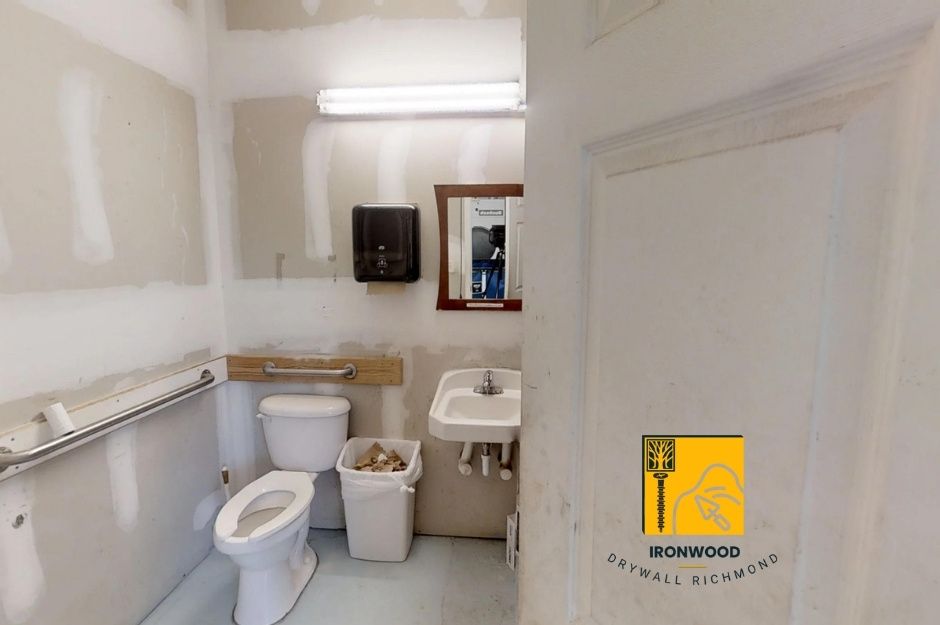
Create a clean, durable, and water-resistant bathroom with professional drywall installation services from Ironwood Drywall Richmond. Our expert team specializes in moisture-resistant, mold-resistant, and waterproof drywall systems designed to perform in high-humidity environments. Whether you’re building a new bathroom, remodeling an outdated space, or repairing water-damaged walls and ceilings, our experienced contractors ensure flawless, long-lasting results.
From green board and blue board installation to cement board backing and waterproof taping, we handle every step with precision and care to meet local building codes and Richmond’s unique climate conditions.
Call 778-400-1950 today for expert bathroom drywall installation and finishing services in Richmond, BC.
Request A FREE Quote
Ironwood Drywall Richmond (HP)
Comprehensive Bathroom Drywall Installation in Richmond, BC
Bathroom environments demand specialized drywall materials and installation techniques to withstand high humidity and prevent water damage. Professional installation of moisture-resistant and mold-resistant products ensures long-lasting wall and ceiling performance in your Richmond bathroom renovation.
Moisture-Resistant Drywall Solutions
Standard drywall fails quickly in bathroom environments due to steam and humidity exposure. Your bathroom requires specialized moisture-resistant materials that maintain structural integrity when exposed to water vapor.
Type X drywall offers fire resistance and enhanced moisture protection for bathroom applications. This gypsum-based product contains glass fibers that strengthen the core and improve water resistance compared to regular drywall.
Cement board provides superior moisture protection for shower and tub surrounds. Professional drywall installers recommend this material for areas with direct water exposure.
Material Type Best Use Water Resistance
Type X Drywall General bathroom areas Moderate
Cement Board Shower surrounds Excellent
Paperless Drywall High-humidity zones High
Your drywall contractor should seal all joints and penetrations with appropriate waterproof compounds. Proper surface preparation includes priming with moisture-blocking primers before finish coats.
Mold-Resistant Drywall for Bathrooms
Mold growth poses serious health risks and structural damage in bathroom environments. Mold-resistant drywall contains antimicrobial additives that prevent mold and mildew formation on wall surfaces.
Paperless drywall eliminates the paper facing that provides food sources for mold growth. The fiberglass facing resists moisture absorption and mold development better than traditional paper-faced products.
Type C drywall combines mold resistance with enhanced structural properties. This specialized product works well in bathrooms where both moisture control and durability matter.
Professional drywall installation includes proper ventilation planning and vapor barrier installation. Your installer should coordinate with mechanical systems to ensure adequate air circulation.
Installation techniques include leaving appropriate gaps at floor levels and using mold-resistant joint compounds. Quality contractors apply antimicrobial primers before finishing treatments.
Green Board and Blue Board Installation
Green board drywall features water-resistant green paper facing and moisture-resistant gypsum core. This traditional bathroom drywall option costs less than newer alternatives while providing adequate protection for most applications.
Blue board serves as a base for veneer plaster systems in high-end bathroom renovations. The specialized paper facing bonds well with plaster coats and creates smooth, durable wall surfaces.
Installation requirements differ between green board and blue board applications. Green board needs standard drywall hanging techniques with moisture-resistant fasteners and joint compounds.
Blue board installation requires different joint treatment methods since it receives plaster coating rather than paint. Your drywall installer must understand veneer plaster system requirements.
Professional installation ensures proper fastener spacing and joint treatment for each product type. Experienced contractors know which materials work best for specific bathroom conditions and budget requirements.
Bathroom Drywall Finishing, Patching, and Repair Services
Professional finishing techniques create smooth, seamless surfaces ready for paint or tile installation. Proper patching and repair work restores damaged bathroom walls to their original condition while maintaining moisture resistance.
Drywall Taping and Mudding Techniques
Taping and mudding create seamless joints between drywall panels in your bathroom. This process involves applying paper or mesh tape over seams, then covering with multiple coats of joint compound.
First coat application covers the tape and fills the initial joint depression. The compound should extend approximately 6 inches on each side of the seam.
Second coat feathers the edges wider, typically 8-10 inches from the joint center. This coat smooths imperfections from the first application.
Final coat creates the finished surface, extending 12-14 inches from center. Each layer must dry completely before sanding and applying the next coat.
Moisture-resistant compounds work best in bathroom environments. These specialized products resist humidity and prevent joint failure over time.
Bathroom Drywall Surface Preparation
Surface preparation ensures proper adhesion for paint, wallpaper, or tile installations. Clean, smooth surfaces provide the foundation for long-lasting bathroom finishes.
Sanding removes imperfections, tool marks, and excess joint compound. Use fine-grit sandpaper (120-150 grit) to avoid creating scratches in the drywall finish.
Dust removal is critical after sanding. Vacuum all surfaces thoroughly, then wipe with a damp cloth to eliminate remaining particles.
Prime all new drywall surfaces with appropriate primers. Bathroom-specific primers provide moisture resistance and ensure uniform paint coverage.
Surface inspection identifies any remaining imperfections requiring additional attention. Fill small holes or scratches with lightweight spackling compound.
Drywall Patching and Replacement
Drywall patching addresses holes, cracks, and water damage in bathroom walls. Small repairs use mesh patches or self-adhesive patches for holes under 4 inches diameter.
Larger repairs require cutting out damaged sections and installing new drywall pieces. Square or rectangular cuts create clean edges for better patch integration.
Water-damaged drywall requires complete replacement rather than patching. Moisture compromises the paper facing and gypsum core, reducing structural integrity.
Replacement process involves:
- Cutting out damaged areas to nearest studs
- Installing new moisture-resistant drywall
- Taping and mudding all joints
- Matching existing texture patterns
Professional drywall repair services ensure proper moisture barriers and vapor control. These elements prevent future water damage and mold growth in bathroom environments.
Specialty Drywall and Interior Solutions for Bathroom Renovations
Bathroom renovations require specialized drywall materials and installation techniques that differ from standard interior applications. These projects demand moisture-resistant products, waterproof installation methods, and precise finishing work to ensure long-term durability in high-humidity environments.
Waterproof Drywall and Ceiling Installation
Bathroom ceilings face constant exposure to steam and moisture from showers and baths. Green board and blue board installation provides enhanced moisture resistance compared to standard drywall materials.
Green board contains additives that reduce water absorption and prevent mold growth. The paper facing includes wax coating that repels moisture penetration.
Blue board offers superior moisture resistance for high-humidity areas. This specialized drywall works best in areas with direct water exposure.
Key installation considerations:
- Proper vapor barrier placement behind drywall
- Sealed joints and penetrations
- Ventilation fan integration during installation
Ceiling installation requires precise hanging techniques to prevent sagging. Your contractor must secure panels to ceiling joists every 12 inches for optimal support.
Professional installation includes specialized fasteners rated for moisture exposure. These prevent rust and panel failure over time.
Drywall Wall Installation in Bathrooms
Bathroom wall installation demands moisture-resistant materials and waterproof backing systems. Standard drywall fails quickly in these environments without proper moisture barriers.
Moisture-resistant drywall types:
- Green board for moderate moisture areas
- Blue board for high-moisture zones
- Cement board behind tile installations
Wall preparation includes vapor barrier installation before drywall hanging. This prevents moisture penetration into wall cavities where mold can develop.
Your installation team must seal all electrical outlets and plumbing penetrations. These openings allow moisture entry that damages surrounding materials.
Proper fastener spacing prevents panel movement and joint cracking. Screws should penetrate studs by at least 1 inch for secure attachment.
Corner bead installation requires corrosion-resistant materials. Standard metal beads rust quickly in bathroom environments.
Bathroom Wall Finishing and Custom Textures
Bathroom wall finishing requires specialized compounds that resist moisture and mold growth. Standard joint compound absorbs water and fails in high-humidity conditions.
Finishing process steps:
- First coat application over joints and fasteners
- Second coat for smoothing and blending
- Final coat for texture preparation
- Primer application before painting
Custom textures add visual interest while helping hide minor surface imperfections. Popular bathroom textures include light orange peel and smooth finishes.
Your finishing contractor applies texture using spray equipment or hand tools. Consistent application ensures uniform appearance across all surfaces.
Surface preparation includes thorough cleaning and dust removal. Any debris affects paint adhesion and final appearance quality.
Multiple primer coats provide optimal base for bathroom paint. This step prevents moisture absorption through the finished surface.
Popcorn Ceiling Removal
Popcorn ceiling removal updates bathroom appearance while improving moisture resistance. These textured surfaces trap humidity and develop mold problems over time.
Removal process overview:
- Asbestos testing for ceilings installed before 1980
- Plastic sheeting protection for surrounding areas
- Spray application to soften texture material
- Scraping with specialized tools
Professional removal prevents dust contamination throughout your home. Proper containment keeps debris within the work area only.
Surface preparation follows texture removal to create smooth ceilings. This includes patching holes and imperfections before new drywall installation.
Your contractor may recommend complete ceiling replacement for severely damaged surfaces. This approach often costs less than extensive repair work.
Modern smooth ceilings resist moisture better than textured surfaces. They also clean easier and maintain appearance longer in bathroom environments.
Why Choose Ironwood Drywall Richmond for Your Bathroom Project
Ironwood Drywall Richmond delivers specialized bathroom drywall installation with qualified contractors and local expertise. Their comprehensive services include moisture-resistant materials, professional finishing, and dedicated support throughout your renovation project.
Professional Drywall Services and Contractor Expertise
Every contractor at Ironwood Drywall Richmond holds qualifications in drywall construction and installation techniques. Their team specializes in bathroom environments where moisture resistance is critical.
The company provides comprehensive drywall services including:
- Green board installation for moisture-prone areas
- Blue board installation for tile backing
- Drywall taping and mudding with precision finishing
- Waterproof drywall solutions for high-humidity spaces
Their contractors understand bathroom-specific requirements. They select appropriate materials based on your space's moisture levels and ventilation systems.
Bathroom renovation expertise includes ceiling installation, wall preparation, and surface finishing. The team handles both new construction and renovation projects with equal proficiency.
You receive professional installation that meets building codes and industry standards. Their drywall installers apply proper techniques for long-lasting results in wet environments.
Local Service Benefits in Richmond, BC
Ironwood Drywall Richmond operates as a residential drywall company based in the Richmond community. This local presence provides direct advantages for your bathroom project.
Local benefits include:
- Familiarity with Richmond building requirements
- Understanding of local climate conditions
- Quick response times for consultations
- Knowledge of regional material suppliers
Their contractors serve Richmond neighborhoods including Steveston and Broadmoor areas. They understand local housing styles and common renovation challenges.
You work with professionals who know Richmond's construction landscape. This local expertise translates to efficient project planning and material selection.
The company maintains strong relationships with Richmond suppliers. This ensures material availability and competitive pricing for your bathroom drywall installation.
Contact Information and Consultation
Contact Ironwood Drywall Richmond at 778-400-1950 for bathroom drywall projects. Their team provides consultations to assess your specific installation needs.
The consultation process covers material selection, project timeline, and cost estimates. You receive detailed information about moisture-resistant options and finishing techniques.
Their contractors evaluate your bathroom's current condition and renovation requirements. They recommend appropriate drywall types based on your space's moisture exposure and intended use.
Initial consultation includes:
- Site assessment and measurements
- Material recommendations
- Project scope discussion
- Timeline and pricing information
You can schedule consultations to discuss green board installation, waterproof drywall options, or complete bathroom wall finishing. Their team provides professional guidance throughout the decision-making process.
Is blue or green drywall better for bathrooms?
Both blue and green drywall work well in bathrooms, thanks to their water and mold-resistant qualities. The best choice depends on your plans. Greenboard drywall is the more popular choice, as it is somewhat more versatile. Blue drywall is a great base to put under veneer and plaster finishes.
What is waterproof drywall called?
Greenboard, blue, and purple drywall are all considered water-resistant. Purple drywall is more waterproof than green, but neither is completely waterproof if exposed to large quantities of water.
What is the best drywall for a bathroom?
The best type of drywall to use in a bathroom is purple drywall. It has superior moisture-resistant qualities compared to other types of drywall and can withstand mold far more effectively.
Greenboard or blue drywall may also be used in bathrooms in areas that don’t have direct contact with water.
Do you have to use purple drywall in a bathroom?
Purple drywall is by far the best type of drywall to use in a bathroom for wet areas. There is nothing to say you absolutely can’t use another type, but none are as effective at resisting moisture and mildew in generally damp areas.
