
Professional Drywall Taping in Richmond, BC
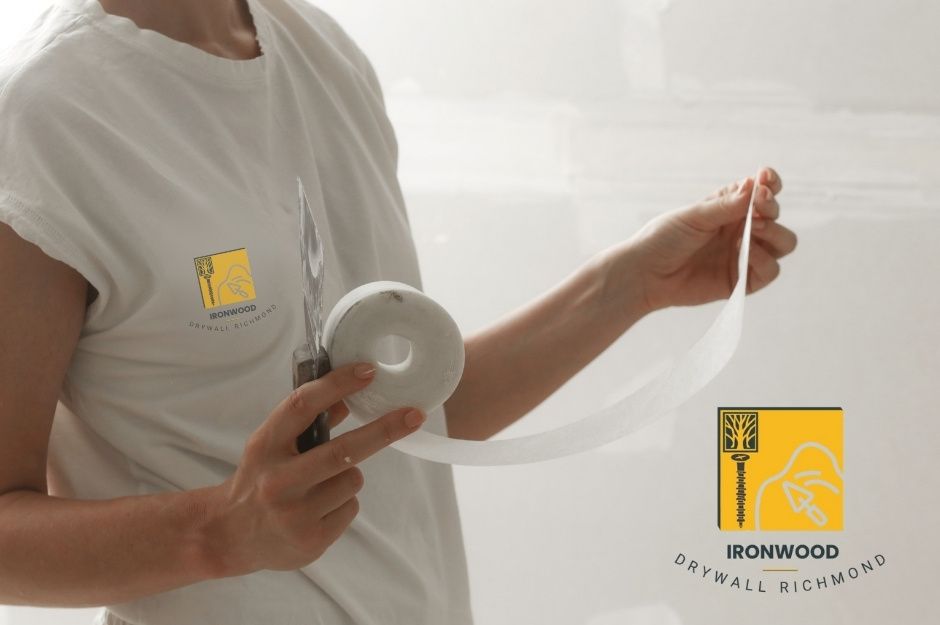
Creating smooth, paint-ready walls takes more than just drywall—it takes precision taping, expert mudding, and careful sanding at every stage. At Ironwood Drywall Richmond, we specialize in professional drywall finishing and taping services that deliver seamless, durable results for residential and commercial interiors across Richmond, BC.
From new installations to renovation touch-ups, our drywall contractors handle every detail with skill—from embedding joint tape and applying multiple coats of compound to achieving Level 5 finishes for premium results under any lighting. We use top-grade materials, ensure clean work practices, and follow proven techniques that make your walls perfectly smooth and ready for paint or texture.
Whether you’re finishing a basement, remodeling a home, or completing a commercial build, Ironwood Drywall Richmond is your trusted local expert for quality craftsmanship and dependable service.
Call 778-400-1950 today to schedule your drywall finishing consultation or request a free quote from Richmond’s drywall specialists.

Ironwood Drywall Richmond
Expert Drywall Finishing and Taping Services
Achieving professional-quality drywall requires precise taping techniques, proper mudding applications, and meticulous sanding processes. These specialized skills transform rough drywall installations into smooth, paint-ready surfaces that meet the highest industry standards.
Professional Drywall Taping Techniques
Proper drywall seam taping forms the foundation of any quality finishing job. Your walls require precise application of paper or mesh tape along all joints and seams to prevent cracking and ensure long-term durability.
Professional drywall contractors use specific techniques for different joint types. Butt joints require careful attention since they lack the natural recess found in tapered edges. Corner taping involves specialized corner beads or flexible tape to create crisp, straight lines.
The tape application process begins with a thin base coat of joint compound. The tape gets embedded into this wet compound, then smoothed to remove air bubbles and excess material.
Key taping applications include:
- Flat seam taping between panels
- Inside corner joints
- Outside corner reinforcement
- Drywall crack repair areas
Your contractor should inspect each taped joint before proceeding to ensure proper adhesion and positioning.
Advanced Drywall Mudding and Joint Finishing
Drywall mudding involves multiple coats of joint compound applied over taped seams. This process requires skill and patience to achieve smooth, invisible joints that blend seamlessly with the surrounding wall surface.
The standard mudding process uses three coats. The first coat embeds the tape and fills the joint recess. Your contractor applies this coat narrow, focusing on filling gaps rather than width.
Second coat application extends wider than the first, typically 6-8 inches from the joint center. This coat begins the feathering process that blends the joint compound into the surrounding drywall.
The final coat extends 10-12 inches wide, creating a gradual transition. Professional drywall finishing contractors sand lightly between coats to remove ridges and imperfections.
Drywall joint compound consistency affects the final result. Proper mixing and application techniques prevent issues like shrinkage, cracking, or poor adhesion.
Level 5 Drywall Finish for a Flawless Look
Level 5 drywall finish represents the highest quality standard in the industry. This finish requires a thin skim coat of joint compound applied over the entire wall surface, not just the joints and fasteners.
Your walls receive this premium treatment when you plan to use flat paint, high-gloss finishes, or critical lighting conditions. The skim coat eliminates texture differences between the drywall paper face and joint compound areas.
Professional application involves thinned joint compound spread with wide taping knives or spray equipment. The material gets applied in thin, even coats across the entire surface.
Level 5 finish benefits:
- Uniform surface texture
- Superior paint adhesion
- Elimination of joint photography
- Professional appearance under all lighting
This finishing level requires experienced drywall contractors who understand proper mixing ratios and application techniques. The additional time and materials investment delivers superior long-term results.
Drywall Sanding and Smoothing Processes
Drywall sanding removes imperfections and creates the smooth surface necessary for paint or texture application. This process requires proper equipment and techniques to avoid damaging the underlying drywall paper.
Fine-grit sandpaper works best for final smoothing, typically 120-150 grit. Coarser grits can tear the drywall paper or create scratches that show through paint finishes.
Sanding blocks and pole sanders help maintain flat surfaces and prevent gouging. Your contractor should use dust collection systems to minimize cleanup and maintain air quality during the process.
Areas requiring special attention include corners, edges, and fastener locations. Over-sanding can damage the drywall surface and require additional joint compound application.
Final inspection involves checking the surface under bright lights to identify any remaining imperfections. Professional drywall finishing services include touch-up applications where needed before declaring the job complete.
Comprehensive Drywall Repairs and Restoration
Effective drywall repair requires specialized techniques to restore damaged surfaces to their original condition. Professional contractors use systematic approaches to address structural issues, surface imperfections, and aesthetic concerns while ensuring long-lasting results.
Drywall Crack Repair and Patch Taping
Crack repair begins with thorough damage assessment to determine the underlying cause. Settlement cracks require different treatment than stress fractures or moisture damage.
Small hairline cracks need mesh tape and multiple compound coats. Larger cracks may require cutting out damaged sections and installing new drywall patches.
Crack Repair Process:
- Clean debris from crack edges
- Apply mesh tape or paper tape
- Feather compound beyond crack boundaries
- Sand smooth after each coat dries
Corner cracks present unique challenges due to structural movement. These repairs often need reinforcing corner bead replacement along with compound application.
Your contractor should identify root causes like foundation settling or humidity fluctuations. Addressing these prevents future cracking in the same areas.
Drywall Repair and Taping Services
Professional drywall repair services encompass hole patching, water damage restoration, and structural repairs. Each damage type requires specific materials and techniques.
Hole repairs vary by size and location. Small nail holes need simple compound filling, while larger holes require backing material or patch kits.
Water-damaged drywall often needs complete replacement rather than surface repairs. Moisture compromises the paper facing and gypsum core integrity.
Common Repair Services:
- Nail pop corrections
- Screw head covering
- Joint tape replacement
- Texture matching
- Primer and paint preparation
Residential drywall repair focuses on maintaining living space aesthetics. Commercial drywall projects prioritize durability and fire rating compliance.
Your repair contractor should match existing textures perfectly. Poor texture matching creates visible repair areas even after painting.
Drywall Skim Coating and Blending
Skim coating creates uniform surfaces over repaired areas or entire walls. This technique uses thin compound layers to eliminate surface irregularities.
The process requires multiple thin coats rather than single thick applications. Each coat must dry completely before applying the next layer.
Proper blending eliminates visible repair boundaries. Skilled technicians feather compound edges to create seamless transitions with existing surfaces.
Skim Coating Benefits:
- Eliminates texture inconsistencies
- Prepares surfaces for premium finishes
- Covers minor surface imperfections
- Creates level 5 finish quality
Drywall compound application technique affects final results significantly. Professional contractors use proper trowel angles and pressure for smooth finishes.
Surface preparation before skim coating removes loose material and dust. Clean surfaces ensure proper compound adhesion and prevent future failures.
Commercial and Residential Drywall Repairs
Commercial drywall repairs must meet building codes and fire safety requirements. These projects often involve specialized materials and certified installation methods.
High-traffic commercial areas need impact-resistant drywall and reinforced corners. Standard residential materials may not withstand commercial use demands.
Residential repairs focus on aesthetic quality and living space comfort. Homeowners typically prioritize quick completion and minimal disruption.
Project Differences:
Commercial Residential
Code compliance priority Aesthetic focus
Fire-rated materials Standard drywall
Scheduled work hours Flexible timing
Volume pricing Custom quotes
Your drywall service provider should understand project-specific requirements. Commercial work needs proper licensing and insurance coverage for public spaces.
Texture restoration requires matching existing patterns exactly. Professional contractors maintain texture samples and specialized tools for accurate replication.
Drywall Installation and Surface Enhancement
Professional drywall installation requires precision cutting, proper hanging techniques, and expert finishing to create flawless surfaces. Surface enhancement options include smooth finishes, textured applications, specialized ceiling treatments, and integrated insulation solutions.
Drywall Installation and Finishing Solutions
Proper drywall installation begins with accurate measurements and precise cutting of panels to fit your space. Each sheet must align correctly with studs and electrical outlets to ensure structural integrity.
The hanging process involves securing drywall panels with appropriate fasteners spaced according to building codes. Corner beads and edge treatments require careful attention to maintain straight lines and proper angles.
Installation Quality Levels:
- Level 3: Basic taping and mudding for textured surfaces
- Level 4: Standard smooth finish for paint application
- Level 5: Premium smooth finish for high-end applications
Finishing involves multiple coats of joint compound applied over tape and fasteners. Each layer must dry completely before sanding and applying subsequent coats.
The final surface preparation includes thorough sanding to eliminate imperfections and create uniform texture. This creates the ideal foundation for paint or wallpaper application.
Smooth Wall and Drywall Texture Finishing
Smooth wall finishing delivers clean, modern surfaces through meticulous mudding and sanding techniques. This process requires multiple thin coats of compound applied with precision tools.
Smooth Finish Process:
- Apply base coat over taped joints
- Sand high spots and imperfections
- Apply second coat extending beyond edges
- Final sand with fine-grit paper
- Prime surface for paint application
Drywall texture finishing adds visual interest and can hide minor surface imperfections. Popular texture options include orange peel, knockdown, and skip trowel patterns.
Texture application requires specialized equipment and timing. The compound consistency and application technique determine the final appearance and uniformity across surfaces.
Ceiling Texture, Popcorn Removal & T-Bar Ceilings
Ceiling texture applications transform plain surfaces into decorative focal points. Knockdown texture involves spraying compound and flattening peaks with a trowel for subtle variation.
Popcorn ceiling removal requires careful scraping and surface preparation. This process often reveals underlying damage that needs repair before applying new finishes.
Popcorn Removal Steps:
- Test for asbestos content
- Protect surrounding areas with plastic
- Dampen surface with water spray
- Scrape texture using broad putty knives
- Sand smooth and apply primer
T-bar ceiling systems provide practical solutions for commercial spaces and basements. These suspended grids support acoustic tiles while concealing utilities and ductwork.
Installation involves mounting perimeter tracks level around the room perimeter. Grid sections connect to create uniform spacing for standard ceiling tiles.
Insulation and Soundproofing Options
Proper insulation installation occurs before drywall hanging to maximize energy efficiency and comfort. Batt insulation fits between studs while rigid foam boards provide continuous coverage.
Insulation Types:
- Fiberglass batts: Standard thermal insulation
- Spray foam: Superior air sealing properties
- Rigid foam: Continuous insulation barrier
- Blown-in cellulose: Retrofit applications
Soundproofing requires specialized materials and installation techniques. Mass-loaded vinyl barriers reduce sound transmission between rooms when installed behind drywall.
Double-layer drywall installation with acoustic sealant significantly improves sound reduction. Resilient channels decouple drywall from framing to minimize vibration transfer.
Strategic placement of insulation within wall cavities absorbs sound waves and reduces noise transmission. Professional installation ensures proper coverage without compression or gaps.
Why Choose Ironwood Drywall Richmond
Ironwood Drywall Richmond stands out as the leading drywall contractor in Richmond, BC, with specialized expertise in drywall finishing and taping services. Their professional team delivers quality craftsmanship and comprehensive coverage throughout the region.
Professional Drywall Tapers and Contractors
Ironwood Drywall Richmond employs skilled drywall contractors who specialize in all aspects of finishing and taping work. Their team handles everything from basic drywall joint finishing to advanced level 5 drywall finishes.
You receive expert drywall seam taping and mudding services from trained professionals. The company's drywall finishing contractors understand proper drywall compound application techniques for seamless results.
Their professional drywall tapers excel at drywall corner taping and precise joint compound work. You benefit from their experience with both smooth wall finishing and drywall texture finishing applications.
The team provides comprehensive drywall repair and taping services including drywall crack repair and patch taping. Their expertise extends to drywall skim coating for surfaces requiring complete refinishing.
Commitment to Quality Craftsmanship
Your drywall finishing projects receive meticulous attention to detail through proper mudding, taping, and sanding processes. Ironwood Drywall Richmond maintains high standards for all drywall installation and finishing work.
The company focuses on delivering superior results across residential and commercial drywall projects. You can expect consistent quality whether your project involves renovations or new construction.
Their commitment includes using proper techniques for drywall joint compound application and finishing. Each project undergoes thorough drywall sanding to achieve the desired finish level.
The team handles complex commercial drywall installation projects while maintaining the same quality standards applied to residential work.
Serving Richmond, BC and Surrounding Areas
Ironwood Drywall Richmond provides comprehensive drywall services throughout Richmond and nearby communities. You have access to local contractors who understand regional building requirements and preferences.
Their service area coverage ensures timely response for both emergency repairs and planned renovations. The company maintains strong relationships with local suppliers and building professionals.
You can reach Ironwood Drywall Richmond at 778-400-1950 for consultations and project estimates. Their local presence means faster project completion and ongoing support for your drywall finishing needs.
The company serves both residential and commercial clients across the greater Richmond area with consistent service quality.
