
Drywall Crack Repair Services in Richmond, BC
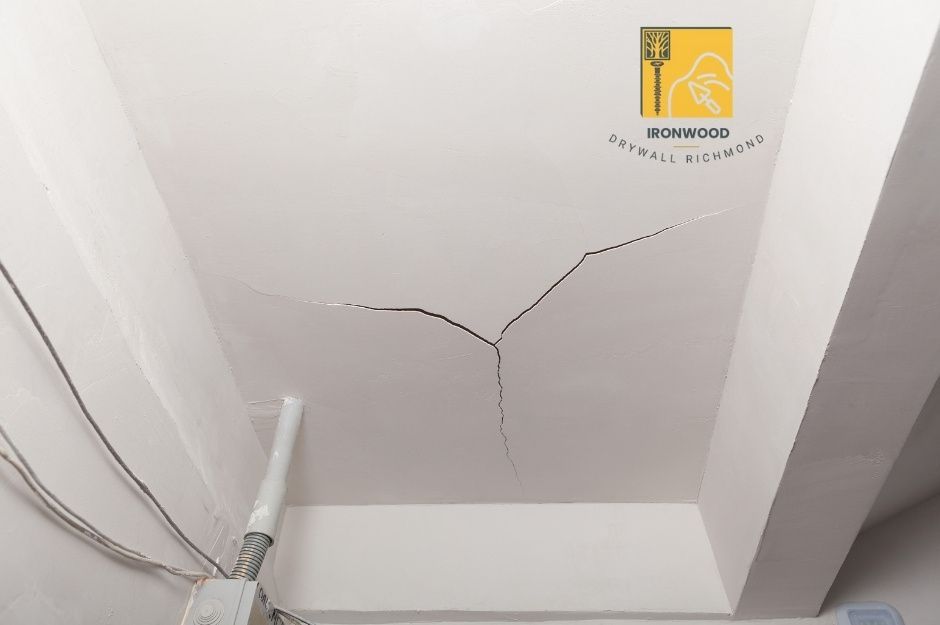
Cracks in your walls or ceilings don’t just affect how your space looks; they can signal deeper issues that need professional attention. When you want lasting results, trust Ironwood Drywall Richmond, your local experts for drywall crack repair in Richmond, BC. We deliver clean, durable surfaces for both residential and commercial properties using proven repair methods and high-grade materials.
From fine hairline lines to deep seam separations, our skilled technicians pinpoint the root cause and fix it right the first time. We reinforce weak areas and restore smooth, flawless surfaces that resist future cracking, because quality workmanship always shows in the details.
Stop cracks from spreading and protect your walls with professional care. Call Ironwood Drywall Richmond at 778-400-1950 or complete our quote form to schedule your service today.
Explore our full range of
drywall repair services for complete wall and ceiling restoration.
Understanding Drywall Cracks and Their Causes
Drywall cracks can result from various causes, including structural movement, settling and moisture damage. A professional inspection helps determine the root cause and the appropriate repair method for your specific situation.

Ironwood Drywall Richmond
Common Types of Drywall Cracks: Hairline, Horizontal, Vertical, and Seam
There are several types of drywall cracks, such as hairline, horizontal, vertical, and seam cracks.
Hairline cracks appear as thin, straight lines less than 1/8 inch wide in your walls or ceilings. These often form along drywall seams or corners.
Horizontal cracks run parallel to the floor and can indicate serious structural issues, especially when wider than 1/4 inch or accompanied by bulging.
Vertical cracks typically start near door frames or window corners. They're often caused by normal house settling and are generally less concerning than horizontal cracks.
Seam cracks occur where two drywall sheets meet. Poor taping, insufficient mud application, or temperature fluctuations can cause the tape to separate, resulting in visible lines.
Typical Causes of Wall and Ceiling Cracks
Foundation settlement and environmental factors are typical causes of ceiling and wall cracks.
Foundation settlement can be caused by:
- Natural soil movement
- Poor drainage around the foundation
- Improper construction
Environmental factors that can cause wall and ceiling cracks include:
- Temperature changes
- Humidity fluctuations
- Water damage from leaks
Improper drywall put up with insufficient screws or incorrect spacing can also lead to sagging and cracking. In addition, heavy vibrations from nearby construction or traffic may cause drywall to crack over time.
Identifying Structural vs. Cosmetic Drywall Cracks
Both cosmetic and structural drywall cracks have certain characteristics. However, cosmetic cracks don’t need to be repaired right away, whereas structural drywall cracks require urgent repairs.
Structural cracks require immediate professional attention and often display these warning signs:
- Width greater than 1/4 inch
- Continuous growth or widening
- Accompanied by a wall bulging
- Multiple cracks in the same area
Cosmetic cracks are superficial and show these characteristics:
- Hairline width
- Stable size
- No associated wall deformation
- Limited to surface level
When you spot water stains or dampness near cracks, call a professional immediately, as this indicates potential water damage requiring specialized repair.
Expert Drywall Crack Repair Solutions
Ironwood Drywall Richmond delivers professional crack repair solutions using advanced techniques and high-grade materials. Their certified technicians accurately diagnose crack types and implement lasting fixes for both residential and commercial properties.
Drywall Crack Repair Methods for Walls and Ceilings
Our professional drywall repair starts with proper crack assessment. Small hairline cracks require different treatment than larger structural cracks or separating seams.
For hairline cracks, technicians apply specialized joint compound and reinforcing tape to prevent future separation. The area is then sanded and textured to match the surrounding surfaces.
Larger cracks need more extensive repair procedures, and include:
- Removal of loose material
- Application of crack-resistant compounds
- Using fibreglass mesh tape
- Multiple layers of joint compound
- Professional texturing
How Contractors Repair Drywall Cracks and Seam Issues
Seam repairs demand a precise technique to prevent future problems. Contractors first identify the cause of separation, which is often due to settling or temperature fluctuations.
The repair process involves:
- Removing old tape and compound
- Cleaning the seam area thoroughly
- Applying new paper or mesh tape
- Using a setting-type compound for the initial coat
- Seamless blending
Professional contractors ensure proper drying time between coats for maximum durability.
Specialized Ceiling Crack Repair Solutions
Ceiling cracks require unique approaches due to gravity and structural considerations. We use scaffolding or specialized lifts to safely access the repair area.
Common ceiling repair techniques include:
- Structural crack stabilization
- Water damage assessment
- Specialized ceiling compounds
- Custom texture matching
Repairs near fixtures or vents receive extra attention to prevent future stress points.
Residential and Commercial Drywall Crack Repair
Your property type determines specific repair approaches. Residential repairs focus on aesthetic matching and minimal disruption to living spaces.
Commercial services include:
- After-hours repairs
- Quick-setting compounds for faster completion
- Large-scale crack remediation
- Building code compliance
Emergency repair services are available for both sectors when immediate attention is needed.
Our licensed technicians use dust containment systems and clean-up protocols to protect your space during repairs.
Preventing Cracks on Walls and Ceilings
Regular maintenance protects your drywall investment and helps avoid costly repairs. Professional monitoring catches small issues before they become major problems.
Tips to Prevent Future Drywall Cracks
Your HVAC system plays a crucial role in maintaining stable conditions. Controlling indoor humidity between 30-50% and using dehumidifiers in moisture-prone areas, such as bathrooms and basements, can be helpful.
Placing expansion joints in walls longer than 15 feet can allow for natural movement. These joints prevent stress cracks from forming as materials expand and contract.
Key prevention strategies:
- Monitor foundation settling
- Fix plumbing leaks immediately
- Use flexible caulk around windows and doors
- Check attic ventilation annually
- Placing proper wall insulation
Long-Term Care for Ceilings and Walls
Cleaning your walls gently with a soft cloth and mild soap solution twice per year can help with maintenance. Avoid harsh chemicals that can damage the surface.
Inspect wall and ceiling surfaces every 6 months for signs of:
- Hairline cracks
- Water stains
- Nail pops
- Paint bubbling
- Surface irregularities
Documenting any changes you notice and photographing problem areas can help track progression and aid professional assessment.
Why Choose Ironwood Drywall Richmond for Drywall Crack Repair
Ironwood Drywall Richmond delivers superior drywall crack repair services in Richmond, British Columbia. The company's proven track record spans residential and commercial projects.
Our team specializes in identifying the root causes of cracks and selecting the most effective repair methods. Your repairs are handled by professionals with 11+ years of experience in both horizontal and vertical crack remediation. These experts excel at matching textures and ensuring seamless repairs.
We maintain strict quality control standards. Each technician follows detailed inspection protocols before beginning any repair work. We use professional-grade compounds and materials specifically designed for different types of drywall cracks.
Our team maintains clear communication throughout the repair process. Call us at 778-400-1950 or complete our quote form for a detailed assessment and written quote before work begins.
